
"Ethiopian processing"
4000 article(s) found

How does Ethiopian coffee taste and taste what are the characteristics of Ethiopian coffee beans
Professional coffee knowledge exchange more coffee beans Please pay attention to the coffee workshop (Wechat official account cafe_style) if you are students who like African beans very much, it should be easy to find that beans in Ethiopia are generally of different sizes and have significantly lower evenness than those in Kenya. Whether it's Yega Xuefei or Sidamo, whether it's washing or tanning, sometimes the same batch.

Why do 90 + candlelight Ethiopian boutique beans take a completely different approach in naming?
Question1: why are Ethiopian coffee beans always big and small? If you are very fond of African beans, it should be easy to find that Ethiopian beans are generally of different sizes and have significantly lower evenness than those in Kenya. Sometimes roasting appearance can be found in the observation of the same batch of coffee beans, no matter whether it is Yega Xuefei or Sidamo, whether it is washed or insolated.

High quality types of Ethiopian Coffee Flavor description, Grinding treatment, Taste characteristics, Manor introduction
Ethiopia is recognized as the birthplace of coffee and the birthplace of all kinds of coffee we taste today. it plays an important role in the history of coffee development. With respect and admiration for the birthplace of coffee and the long-standing inheritance of coffee culture, Starbucks solemnly launched Ethiopian coffee with a unique taste in stores across the country from January 6 to 12.

The characteristics of boutique Ethiopian Yejasuefi Coffee A brief introduction to Ethiopian Yejasuefi Coffee
Although the Ethiopian Yirgacheffe coffee is petite, it is gentle and delicate and sweet. As the hometown of coffee, thousands of years of planting history and processing tradition in Ethiopia have created high-quality washed Arabica beans. Light baking has unique sweet aromas of lemon, flowers and honey, soft acidity and citrus flavors, fresh and bright on the palate. No.
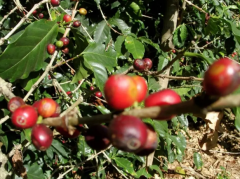
Top Coffee Bean-Ethiopian Double Champion Coffee Bean Aramco Delano Introduction.
TOH, the full name of the African Harvest Coffee Competition, is called the Double Champion. As the name implies, it means that you have won both the National Competition and the African Regional Finals. In the 2019/20 Ethiopian National, Amerilalo won first place and then emerged from the top of the African Regional Finals as a double winner. The winner, this coffee.

Name and introduction of Ethiopian Coffee Starbucks, Ethiopian Coffee Cooperative
Yega Xuefei is a small town in Ethiopia, 1700-2100 meters above sea level. It is located in the northwest of Sidamo Province. It is one of the highest coffee producing areas in Ethiopia and is synonymous with Ethiopian boutique coffee. Strictly speaking, Yega Xuefei is a by-product area of Ethiopia's Sidamo producing area (Sidamo), which is independent because of its special flavor.

The characteristics of Sidama coffee beans in Ethiopia's famous boutique coffee producing area introduce the flavor and taste of Huakui coffee beans.
Professional coffee knowledge exchange more coffee bean information please follow the coffee workshop (Wechat official account cafe_style) the front street introduction of Ethiopian coffee southern Ethiopia has grown a rich and complex Sidamo coffee (or Sidama), rich and distinctive taste. Sidamo

Description of flavor and taste of Ethiopian Harald coffee beans? How to rush Ethiopian mocha by hand
Professional coffee knowledge exchange more coffee bean information please follow the coffee workshop (Wechat official account cafe_style) Ethiopia Harald coffee bean flavor and taste description? How to make Ethiopian mocha Haral coffee by hand? After panning, the Harrar raw beans have a faint floral flavor. The producing area of Hrrar is located in Har in eastern Ethiopia.

Flavor description of Ethiopian Honey Coffee beans introduction to Grinding scale Variety Manor
The Flavor description of Ethiopian Honey Kiss Coffee beans Grinding scale Variety Manor introduces that Ethiopia grows coffee in different climatic zones, so it has more than 140 farm varieties, and fresh coffee is produced all the year round. The quality of Ethiopian coffee varies according to different elevations and regional ecological environment. Harar coffee in the southeast highlands is a typical Muhaka.

Unique flavor of Ethiopian native species Ninety plus Ethiopian honey litchi black tea
1. Fine coffee is made from boutique coffee beans. If the beans that make coffee are not boutique coffee beans, the coffee liquid produced cannot be called fine coffee. two。 Boutique coffee is fresh coffee. Whether it's food or drink, of course, the fresh the better, and so is boutique coffee. Fine coffee should be kept fresh before making, including the preservation of roasted beans, and should be kept before making.

Introduction to the description of varieties and flavors in Ethiopian Coffee Manor with rich texture
The coffee market regulatory body in Ethiopia is the Ethiopian Coffee and Tea products Administration. There are two auction centers in the country, one in the capital Addis Ababa (Addis Ababa) and the other in Dire Dawa in eastern Ethiopia. Coffee growers bring fresh fruit or to private coffee processing plants or cooperative coffee washing stations

Introduction to the characteristics of High-quality Coffee beans in Coffee Manor in Ethiopia
In February 1977, Lieutenant Colonel Mengistu Haier Maryam (MENGISTU HAILE MARIAM) launched a military coup and served as Chairman of the interim military Administrative Council and head of State. In 1979, the Ethiopian Labor people's Party Organization Committee, dominated by soldiers, was established to implement an one-party system. In 1984, the Ethiopian Workers' Party was formed according to the Soviet Communist Party model. Mengistu, September 1987

Fragrant Ethiopian coffee flavor and taste introduce fine coffee beans in Ethiopian coffee producing areas
Ethiopian people are addicted to coffee. In 2003, domestic consumption accounted for 42.3% of the total output, with a per capita consumption of 3 kg. But more than half of the coffee produced each year is used for export to earn foreign exchange. The main exporters include the United States, Italy, the United Kingdom, Sweden, Norway, Greece, France, Belgium, Germany and Australia. Before 1974, the right to produce, process and trade coffee was controlled by

The Ethiopian single producer plan introduces how the Sidamo production area is divided into sub-production areas.
Coffee in Ethiopia usually follows one of two ways: real estate coffee or collective land. It is easier to understand (but harder to encounter) the production path of manor coffee grown and sold in the name of the manor. The supply chain of Ethiopian manor coffee is largely similar to that of Central America because the farm is made up of wealthy Ethiopian nationals or Ethiopian countries.

Ethiopian Yega Xuefei Fine Coffee with unique Ethiopian Flavor
Although the Ethiopian Yirgacheffe coffee is petite, it is gentle and delicate and sweet. As the hometown of coffee, thousands of years of planting history and processing tradition in Ethiopia have created high-quality washed Arabica beans. Light baking has unique sweet aromas of lemon, flowers and honey, soft acidity and citrus flavors, fresh and bright on the palate. Without

Fresh Ethiopian coffee variety-producing flavor boutique coffee beans Description
Washed coffee accounts for 35 per cent of exports. Good quality washed coffee is processed from freshly picked fully ripe fruit, carefully picked and closely monitored by professionals. After picking clean coffee beans on the day of picking to pulp, then fermentation, washing, drying, peeling. The humidity of the processed coffee beans is kept at about 12%. Sun-cured coffee accounts for 65 per cent of exports. mainly of

Ethiopian Coffee Flavor Description Grind Characteristics Variety Producing Area Taste Boutique Coffee Introduction
Ethiopian coffee grade: Ethiopian washed coffee Yirgacheffe G1 G2 Sidamo (Yirgacheffe, Sidamo) the highest grade is second and third grade (G2, G3), the eastern part of Ethiopia sun processing coffee is mostly fourth or fifth grade (G4, G5). In many cases, fourth-grade coffee is labeled as five-grade in order to reduce taxes. The current classification is not very uniform, there are

Introduction to the treatment methods of Grinding degree of varieties for describing the Flavor of Coffee Manor in Ethiopia
Small shareholders in Ethiopian coffee farms have been producing all kinds of high-quality coffee. The secret to producing high quality coffee is that coffee growers have developed a coffee culture in a suitable environment through generations of repeated learning about the coffee growing process, which mainly includes farming methods using natural fertilizers, picking the reddest and fully ripe fruits and

Ethiopian coffee mural Ethiopian rambutan flavor Taste
Professional coffee knowledge exchange More coffee bean information Please pay attention to coffee workshop (Weixin Official Accounts cafe_style) Hambella Manor is located in Guji District, which is one of several important development trends in Ethiopia in recent years. Shakisso is a well-known example. Hambera Manor, 2,150 m above sea level, retains primeval forest in natural balance with the environment
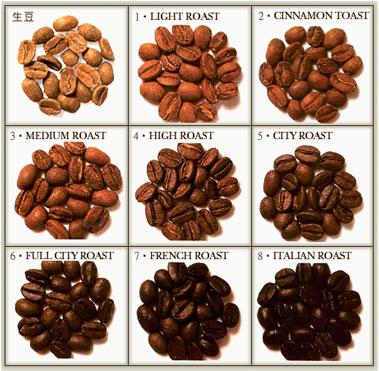
Natural fermented Ethiopian coffee flavor, characteristics, taste and estate
Ethiopia is blessed with natural conditions for growing all conceivable varieties of coffee. Ethiopia's coffee beans are mainly grown as highland crops in areas with altitudes of 1100-2300 meters above sea level, roughly distributed in southern Ethiopia. Deep soil, well-drained soil, weakly acidic soil, laterite and soft soil containing